


Czech Toll Roads Map: Where You Need a Vignette in 2026
Most major motorways and expressways in the Czech Republic require a vignette, especially those linking border crossings from Germany, Austria, Poland and Slovakia, while some shorter sections remain toll-free.
If you’re not familiar with toll roads in the Czech Republic, it helps to understand how the network is structured and which routes require a vignette. Based on extensive driving across Czech motorways, we’ve mapped out the system to make it easier to see what’s required before you travel.
The Czech toll roads map below shows where you need a vignette in 2026 across the Czech motorway and expressway network. Use the map to plan your route, then read on for details on key toll corridors and toll-free alternatives.
This map is provided for reference. For the official toll road network, visit edalnice.gov.cz.
*Last updated August 2026
Map Legend & How to Read It
Use this key to understand the Czech toll roads map at a glance. Toll roads (red) indicate sections where a valid electronic vignette is required.
- Blue sections are toll-free and can be used without a vignette.
- Purple markers highlight key border crossings where you enter the Czech road network from neighbouring countries.
Key Toll Roads That Require a Vignette
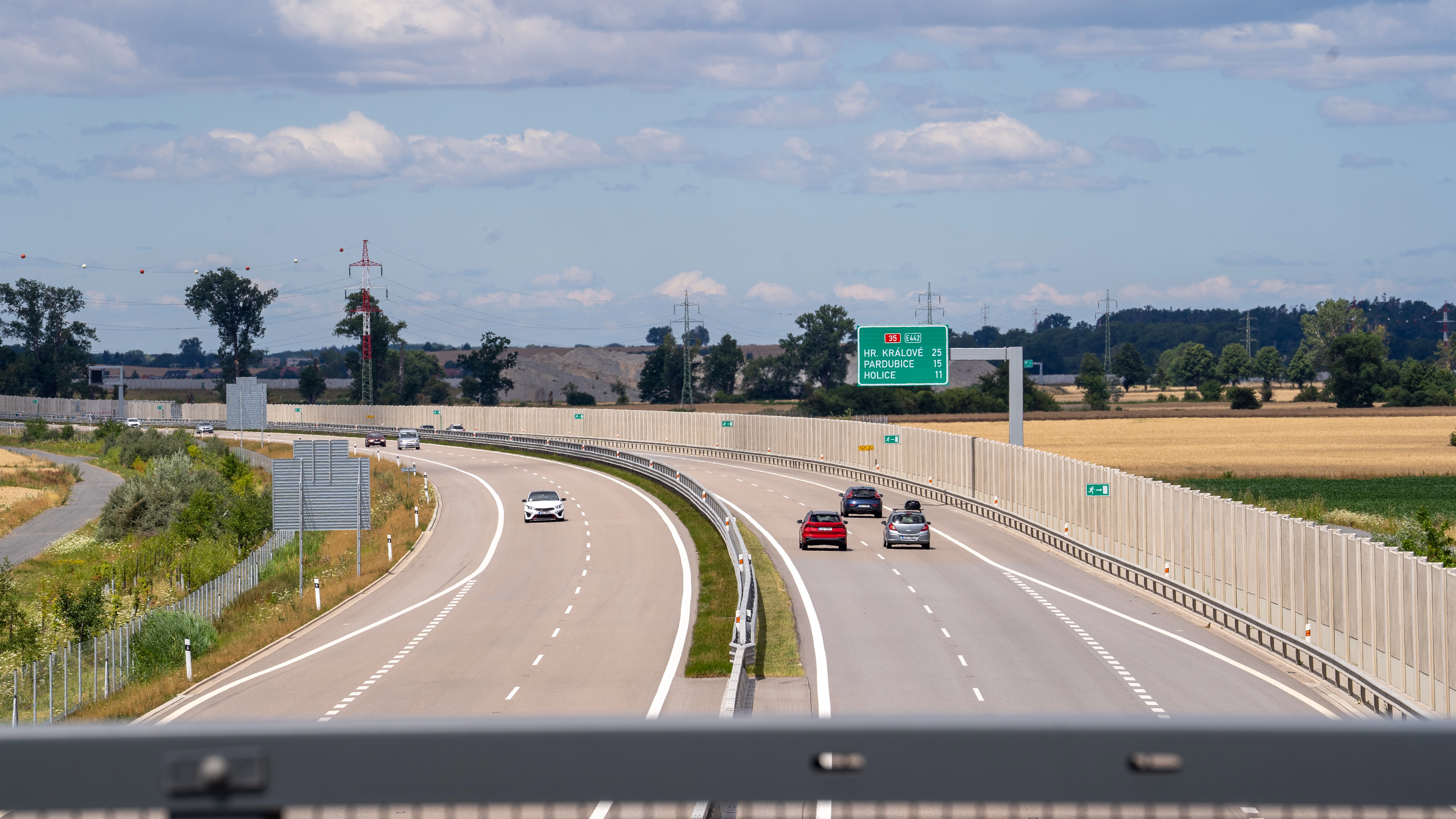
Most Czech Republic toll roads are made up of motorways (dálnice) and expressways (silnice pro motorová vozidla) marked with green signage, where a vignette is required for vehicles up to 3.5t. These form the main structure of the national network and understanding them is central to navigating toll roads in the Czech Republic correctly.
The Czech highway toll system applies consistently across these routes and the map above gives a clear view of the full network.
Long-distance journeys on the motorway network will often include at least one section where a vignette is required. The D5 from Plzeň to the German border at Rozvadov was our most-driven route — and yes, you need a vignette for the entire stretch.
Motorways listed below include their main tolled sections based on official vignette coverage. Not all parts of every motorway are subject to tolls — specific sections are defined by entry and exit points.
Czech Republic — Vignette Required Motorway Sections (Official eDalnice Data)
| Motorway | Route (From → To) | Main Tolled Section (Exact Exits / Km) |
Vignette required | Notes |
|---|---|---|---|---|
| D0 | Modletice → Slivenec | Exits 76 → 16 (23 km) | Partial | Prague ring road section |
| D1 | Průhonice → Kývalka | Exits 6 → 182 (176 km) | Partial | Core Prague–Brno corridor |
| D1 | Holubice → Kroměříž-západ | Exits 210 → 258 (48 km) | Partial | Central Moravia |
| D1 | Kroměříž-východ → Říkovice | Exits 260 → 272 (12 km) | Partial | Short tolled segment |
| D1 | Přerov-Předmostí → Ostrava-Rudná | Km 282 → Exit 354 (72 km) | Partial | Eastern corridor |
| D2 | Chrlice → State border (Lanžhot) | Exit 3 → Km 61 (58 km) | Partial | Brno → Slovakia |
| D3 | Mezno → Tábor-sever | Km 62 → Exit 76 (14 km) | Partial | South Bohemia |
| D3 | Tábor-jih → Veselí nad Lužnicí-sever | Exits 79 → 104 (25 km) | Partial | — |
| D3 | Veselí nad Lužnicí-jih → Úsilné | Exits 107 → 131 (24 km) | Partial | České Budějovice approach |
| D3 | Roudné → Kaplice-nádraží | Exits 141 → 159 (18 km) | Partial | South corridor |
| D4 | Jíloviště → Třebkov | Exits 9 → 84 (75 km) | Partial | Prague–Písek corridor |
| D5 | Praha-Třebonice → Beroun-východ | Exits 1 → 14 (14 km) | Partial | Prague western exit |
| D5 | Králův Dvůr → Ejpovice | Exits 22 → 67 (45 km) | Partial | Plzeň bypass |
| D5 | Sulkov → State border (Rozvadov) | Exit 89 → Km 151 (62 km) | Partial | Germany corridor |
| D6 | Jeneč → Bukov | Exits 7 → 62 (55 km) | Partial | Prague–Karlovy Vary |
| D7 | Kněževes → Knovíz | Exits 3 → 18 (15 km) | Partial | Short north-west section |
| D8 | Zdiby → Řehlovice | Exits 1 → 64 (64 km) | Partial | Prague–Dresden corridor |
| D8 | Knínice → State border | Exit 80 → Km 92 (12 km) | Partial | Border approach |
| D10 | Stará Boleslav → Bezděčín | Exits 14 → 39 (25 km) | Partial | North corridor |
| D10 | Kosmonosy → Ohrazenice | Exits 46 → 71 (25 km) | Partial | — |
| D11 | Jirny → Jaroměř-sever | Exits 8 → 113 (105 km) | Partial | Poland corridor |
| D35 | Sedlice → Ostrov | Km 127 → 158 (31 km) | Partial | East–west corridor |
| D35 | Mohelnice-jih → Olomouc-západ | Exits 235 → 263 (28 km) | Partial | Moravia |
| D35 | Holice → Lipník nad Bečvou | Exits 276 → 296 (20 km) | Partial | — |
| D46 | Vyškov-východ → Prostějov-jih | Exits 1 → 21 (21 km) | Partial | — |
| D46 | Držovice → Hněvotín | Exits 26 → 37 (11 km) | Partial | — |
| D48 | Bělotín → Jeseník nad Odrou | Exits 1 → 8 (8 km) | Partial | — |
| D48 | Palačov → Nový Jičín-centrum | Km 12 → Exit 21 (8 km) | Partial | — |
| D48 | Rybí → Frýdek-Místek-východ | Exits 24 → 52 (28 km) | Partial | — |
| D48 | Dobrá → Žukov | Exits 54 → 70 (16 km) | Partial | — |
| D49 | Hulín → Fryšták | Km 1 → 18 (18 km) | Full | Entire motorway |
| D52 | Rajhrad → Pohořelice-sever | Exits 10 → 23 (13 km) | Partial | Brno–Austria |
| D55 | Hulín → Otrokovice-sever | Exits 16 → 30 (14 km) | Partial | — |
| D55 | Babice → Bzenec | Exits 42 → 64 (22 km) | Partial | — |
| D56 | Hrabová → Frýdek-Místek | Exit 40 → Km 54 (14 km) | Partial | Ostrava region |
*Data sourced from edalnice.gov.cz. Vignette requirements apply only to designated motorway sections as defined by the Czech edalnice system. Some urban or short transition segments may be exempt. Toll boundaries are marked by specific exit numbers and kilometre points and may be subject to change. Always verify routes on the official edalnice map before travel.
Toll-Free Roads & Exempt Sections
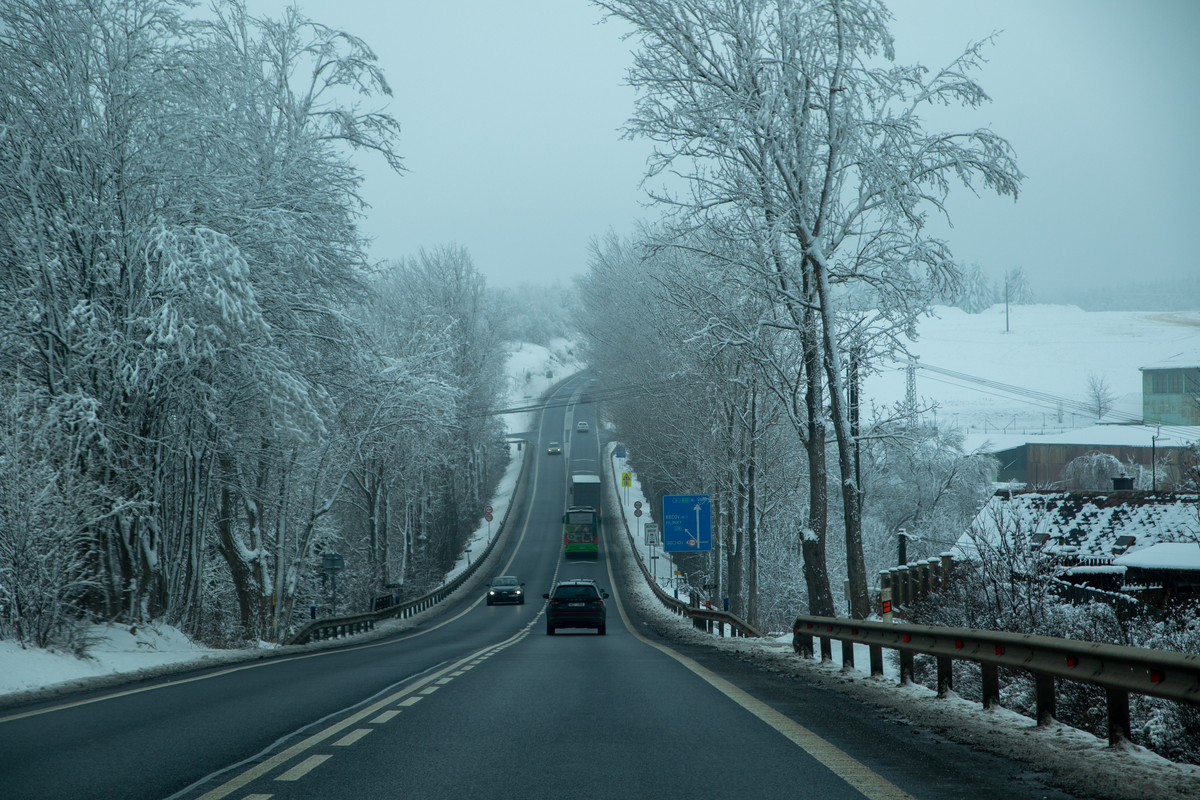
When looking at the Czech Republic paid roads map, not all roads require a vignette. All non-motorway roads, including major routes, regional roads and local roads, are toll-free and can be used without charge.
Some motorway sections are also exempt from tolls depending on their classification and current status, and shorter journeys can sometimes be made using these alternatives — on one trip from Prague to Plzeň, avoiding the motorway added around 30 minutes to our journey but we passed through Beroun along the way.
Certain vehicle categories are also exempt from the vignette requirement under official rules. For more detail, see our dedicated guide to toll free routes and find further information on official exemption rules.
Border Crossings & Which Toll Roads They Connect To
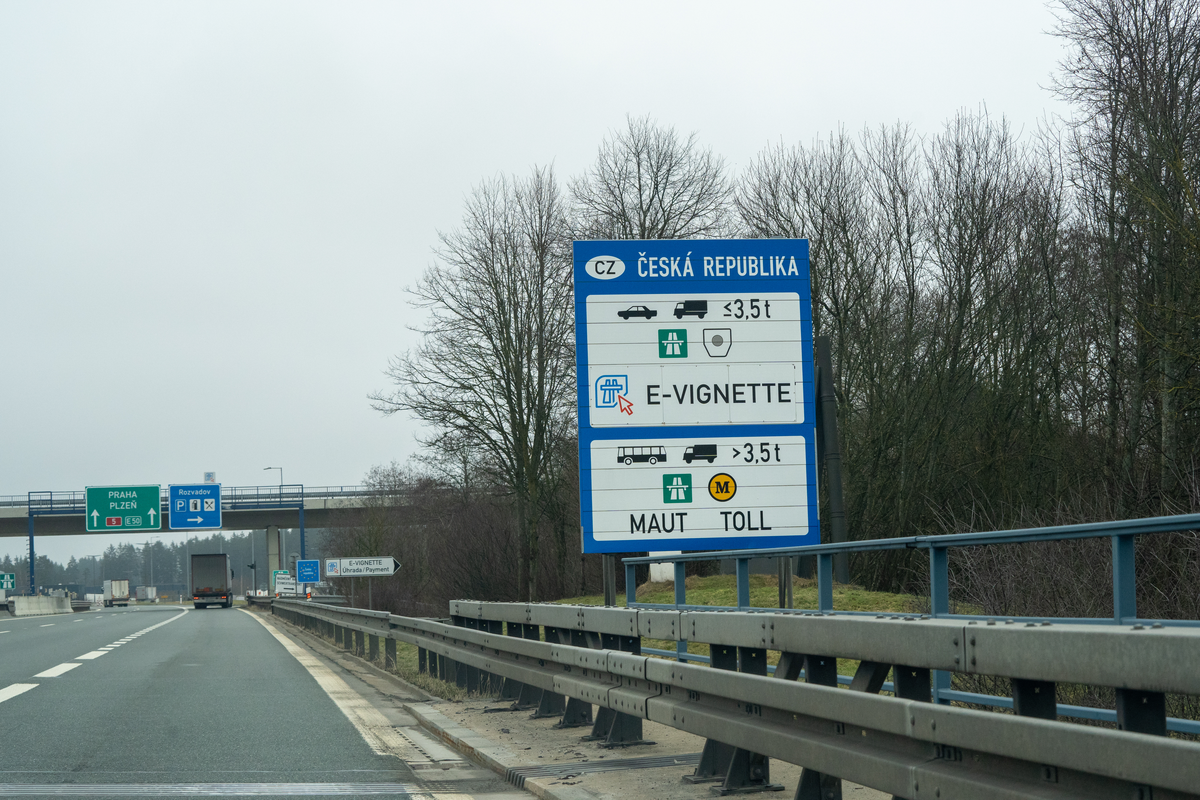
Our Czech vignette map highlights how key border crossings link directly to the motorway network, where a vignette is required from the point of entry.
Major routes include Waidhaus–Rozvadov (Germany, D5), Breitenau–Krásný Les (Germany, D8), Břeclav (Austria, D2), the Ostrava corridor (Poland, D1) and the Brodské/Lanžhot area (Slovakia, D2).
Crossing from the German A6 at Waidhaus–Rozvadov, for example, places you straight onto the D5 motorway where vignette requirements apply immediately, so it’s best to buy your vignette before you cross.
Learn more about border crossings and how each route connects to the Czech road network.
How to Pay: The Czech Electronic Vignette System
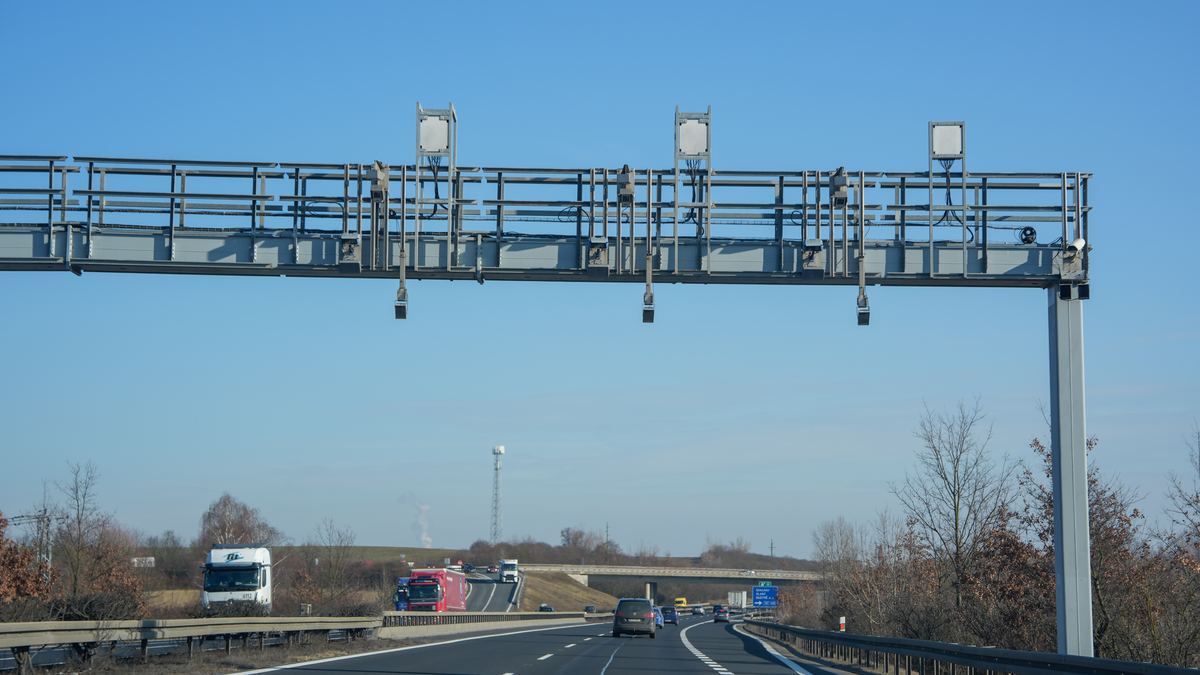
Road tolls in the Czech Republic are paid using an electronic vignette, so there’s no physical paperwork. The e-vignette Czech system, introduced in 2021, links your payment directly to your vehicle’s registration number, with automatic cameras checking compliance on toll roads.
Whether you’re planning a short trip or longer journey, the Czech highway vignette is available in four durations: 1-day, 10-day, 30-day, or 1-year.
Buying a vignette is straightforward:
- Choose your vignette duration
- Enter your licence plate number and country of registration
- Pay online
- Your plate is registered in the system — no paperwork or sticker needed
- Cameras verify your vehicle automatically on toll roads
There are many ways you can purchase a vignette, including online, via edalnice.gov.cz (official portal), approved resellers and petrol stations, Czech Post offices, or self-service kiosks. On a recent journey, we bought ours online just before crossing the border and by the time we reached the first toll camera, the vehicle was already registered.
Pricing varies by duration and is set annually so be sure to check the latest rates directly on edalnice.gov.cz for current 2026 prices. Also, be aware that kiosks and vending machines at border crossings are not always available or operational. During our field research in early 2026, we found several locations closed without notice. We recommend buying online before you cross.
How to Recognise Toll Roads While Driving
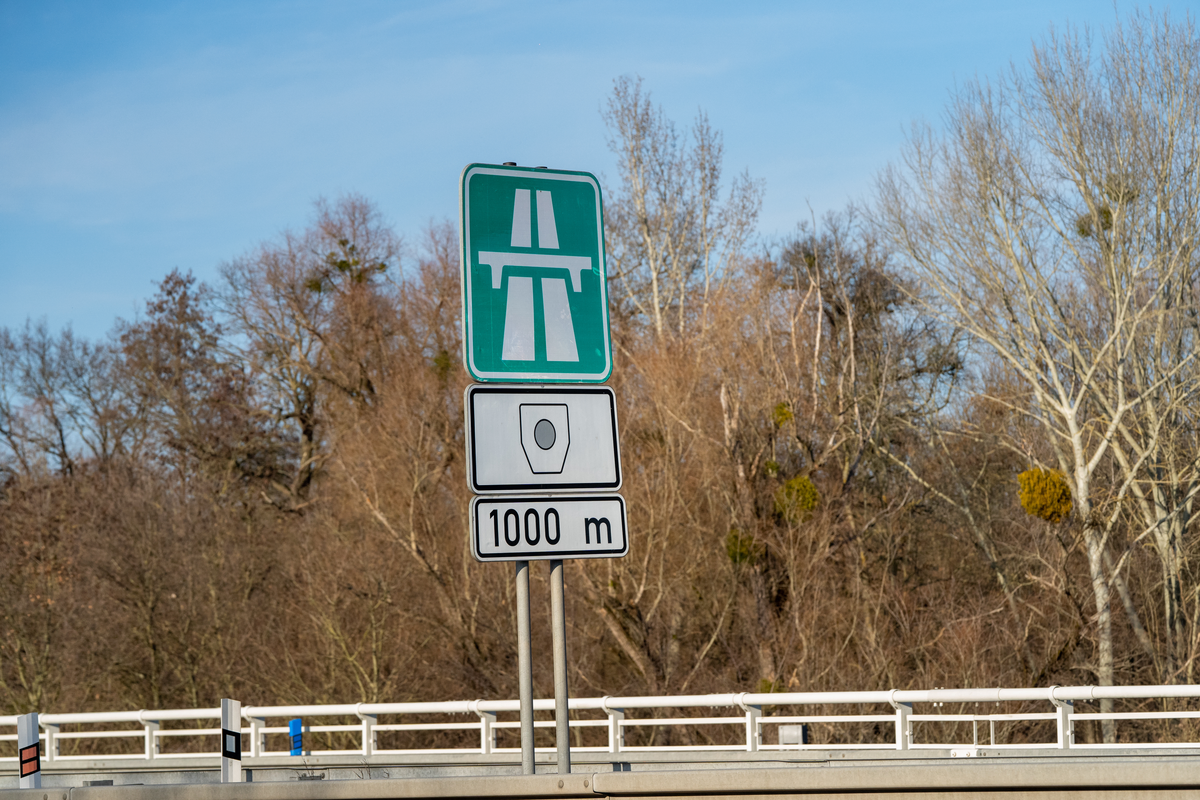
To recognise toll roads in the Czech Republic, look for standard motorway signage: green road signs with a white “D” designation indicate motorways where a vignette is required.
At motorway entrances, you may also see “elektronické mýtné” (electronic toll) signs confirming the section is part of the tolled network. Enforcement is carried out using automatic number plate recognition (ANPR), with camera gantries positioned at border crossings and along motorway corridors, checking registration numbers against the national database in real time.
Police also carry out checks using mobile devices and at petrol stations and rest areas.
If you accidentally enter a toll road without a valid vignette, continue to the next safe exit or stop when it is safe to do so and purchase an e-vignette online as soon as possible. Enforcement is camera-based and applies from the moment you enter a vignette-required section — there is no grace period.
Buy Your Czech Vignette Online Before You Hit the Road
Now that you’ve seen which roads require a vignette, you can purchase your online vignette for the Czech Republicand in advance at CzechVignette.cz (an authorised third-party reseller), before your trip. It only takes a few minutes and your licence plate is registered instantly for use on Czech motorways.
You can also check your vignette validity at any time.