

Lead travel authority and road expert

In this article
Czech Border Crossings 2026: Interactive Map & Full List
This guide to Czech border crossings shows how entering the Czech Republic by car works across its main land borders. The Czech Republic is part of the Schengen Area, so under standard conditions there are no passport checks at its borders with Germany, Austria, Poland and Slovakia.
To help plan your route, our interactive map highlights major crossings, main motorway links and practical entry points so you can quickly see where traffic typically flows across the border.
Key facts at a glance
- • Germany (DE) border: 6 main road crossings, mostly 24/7
- • Austria (AT) border: 5 main road crossings
- • Poland (PL) border: 4 main road crossings
- • Slovakia (SK) border: 3 main road crossings
- • Czech Republic is in Schengen — no routine passport checks at internal borders
- • Temporary controls may apply — check before travel
Czech Republic & the Schengen Area: Border Control Status 2026
The Czech Republic has been part of the Schengen Area since 21 December 2007, when controls at its land borders were abolished (air borders followed on 30 March 2008). This means there are normally no routine passport checks at its borders with Germany, Austria, Poland and Slovakia, so drivers can usually cross without stopping at a formal control point.
However, Schengen border arrangements involving the Czech Republic can be temporarily reintroduced under EU rules, depending on security or migration pressures. Germany has run temporary checks on its border with the Czech Republic since October 2023, and these are still in force: in April 2026 the German Interior Ministry extended them to at least 15 September 2026, covering all road and rail crossings including the D5 (Rozvadov–Waidhaus) and D8 (Ústí nad Labem–Dresden) corridors.
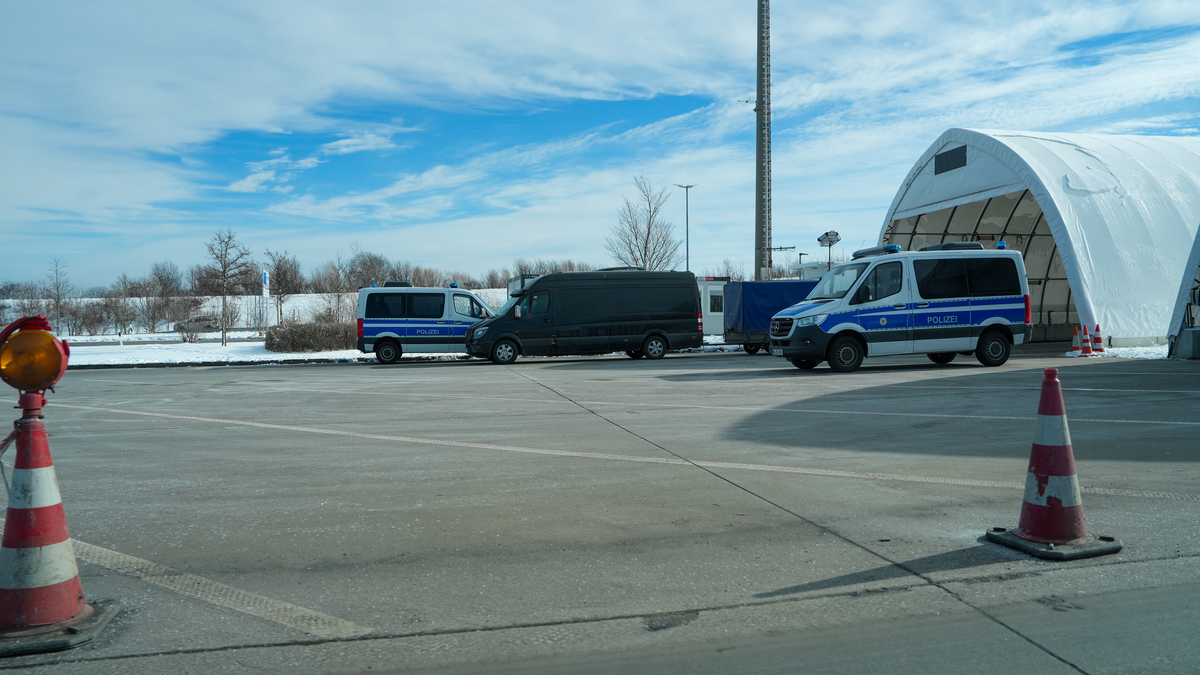
German federal police (Bundespolizei) can stop vehicles at random to check ID, travel purpose and proof of funds, and queues of 30–45 minutes have been reported on the busiest motorway crossings. On our February 2026 field trip we saw this directly at the Petrovice–Breitenau crossing (D8/A17), where vehicles were pulled over and documents examined on both the Czech and German sides, causing waiting times in each direction. Our photographer Ujjwal documented the queues and checkpoint at the time.
These measures can change quickly, so it is important to check the latest official updates before you travel. It is also a good idea to learn the speed limits in Czech Republic to avoid unnecessary traffic fines. We monitor the European Commission Schengen temporary-measures page before every cross-border drive and recommend you do the same before your journey.
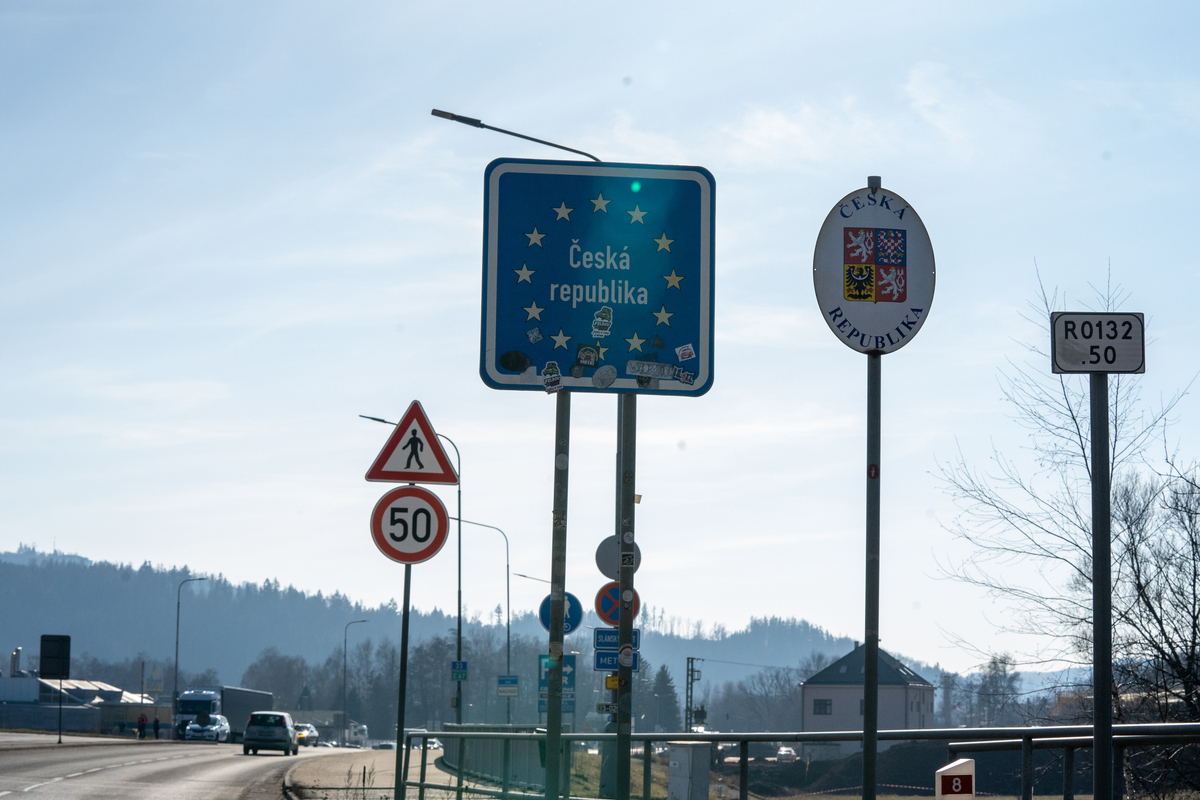
Czech Border Crossings from Germany
Driving from Germany into the Czech Republic is straightforward, with several well-connected routes forming the main Germany–Czech Republic border crossings network. Most crossings operate 24/7 and, in normal Schengen conditions, the Czech Republic–Germany border open status allows continuous travel, although traffic levels and checks can vary during peak freight periods or temporary control measures.
We use the Rozvadov D5 crossing regularly — it is open 24/7, carries very high freight volumes and remains reliably operational even during periods of temporary checks.
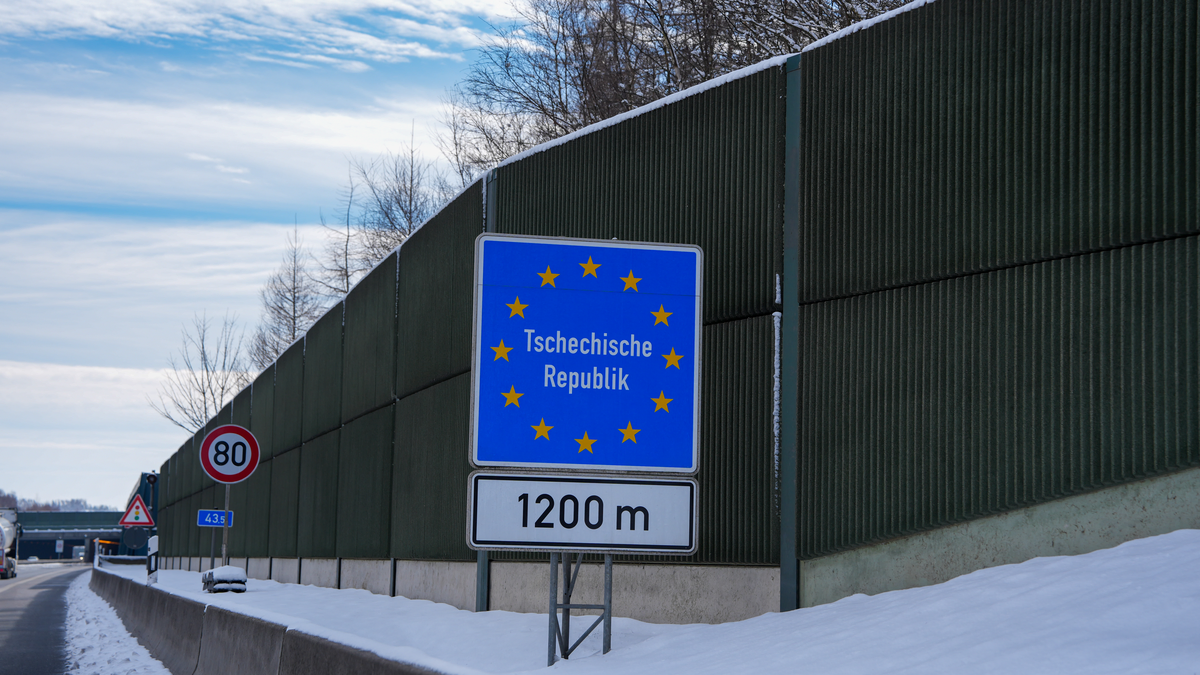
Major motorway international corridors (highest traffic)
| Crossing | Road | Type | Hours | Notes |
|---|---|---|---|---|
| Waidhaus → Rozvadov | A6 (E50) → D5 → A6 (E50) | Motorway corridor | 24/7 | Main freight route; highest HGV volume between CZ–DE |
| Zinnwald-Georgenfeld → Cínovec | B170 → D8 (E55) | Motorway corridor | 24/7 | Key Dresden–Prague route |
Source: euro-glacensis.cz, Autoklub ČR.
Standard regional road crossings
| Crossing | Road | Type | Hours | Notes |
|---|---|---|---|---|
| Furth im Wald → Folmava | B20 → I/26 | Regional road | 24/7 | Bavaria–Plzeň route |
| Reitzenhain → Hora Svatého Šebestiána | B174 → I/7 | Regional mountain route | 24/7 | North-west Bohemia–Saxony link |
| Schirnding → Pomezí nad Ohří | B303 → I/6 | Regional road | 24/7 | Western Bohemia entry route |
Source: euro-glacensis.cz, Autoklub ČR.
Local / low-capacity crossings
| Crossing | Road | Type | Hours | Notes |
|---|---|---|---|---|
| Bayerisch Eisenstein → Železná Ruda | Local → Local | Local crossing | Limited | Low-traffic crossing; conditions may vary seasonally |
Source: euro-glacensis.cz, Autoklub ČR.
Czech Border Crossings from Austria
Crossing from Austria into the Czech Republic is particularly important for routes linking Vienna with South Moravia and Brno. The Austria–Czech Republic border crossing network includes a mix of motorway, regional and local entry points, with traffic concentrated along a few key southern corridors.
The border crossing between Austria and the Czech Republic operates under Schengen rules, so there are normally no routine passport checks, allowing vehicles to pass through without formal border stops in standard conditions. On our Austria-to-Czech-Republic border check in May 2026, the Mikulov crossing was unstaffed in both directions — a standard Schengen internal border experience.
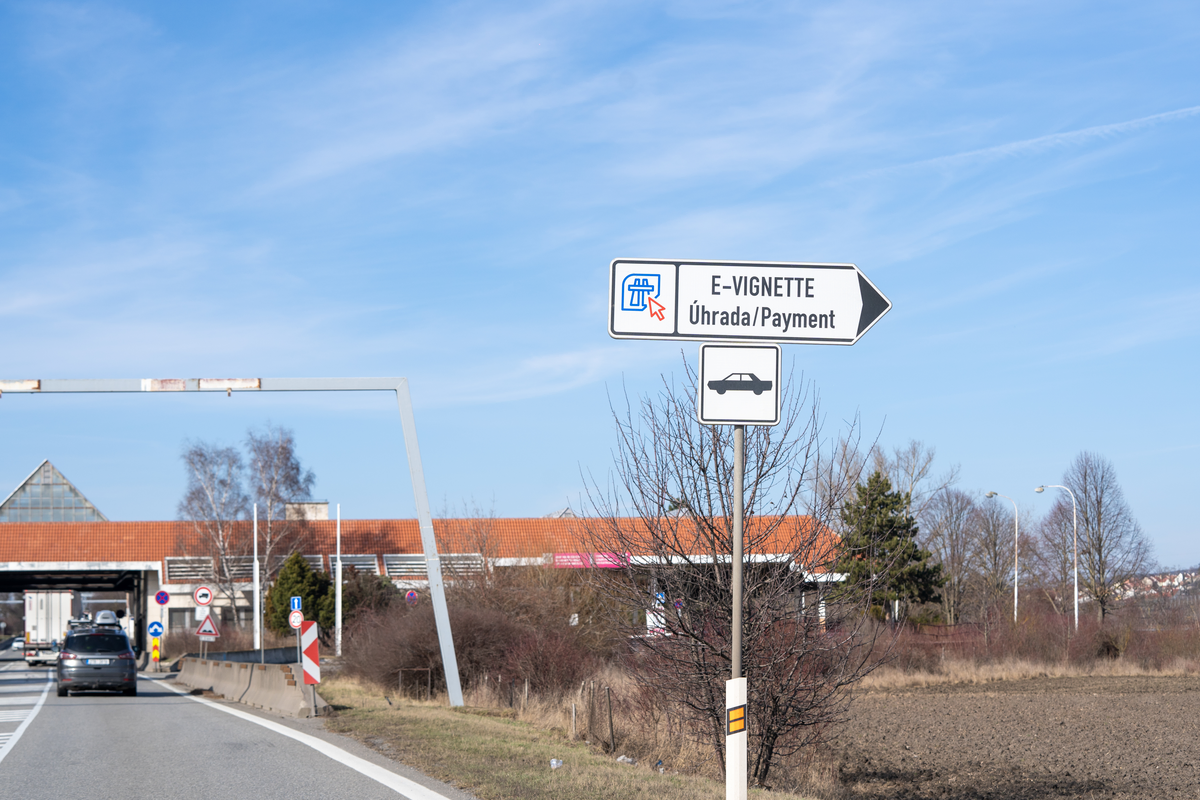
Major motorway international corridors (highest traffic)
| Crossing | Road | Type | Hours | Notes |
|---|---|---|---|---|
| Mikulov → Drasenhofen | I/52 → A5 (E461) | Motorway corridor | 24/7 | Main Vienna–Brno corridor; highest traffic volume |
Source: europamaut.com + euro-glacensis.cz.
Regional crossings
| Crossing | Road | Type | Hours | Notes |
|---|---|---|---|---|
| Hatě → Laa an der Thaya | I/54 → B45 | Regional road | 24/7 | South Moravia–Lower Austria regional route |
| Znojmo → Kleinhaugsdorf | I/38 → B30 | Regional road | 24/7 | Key Vienna corridor connection |
| Hevlín → Hohenau/March | I/55 → Local | Regional road | 24/7 | Lower-traffic regional crossing |
Source: europamaut.com + euro-glacensis.cz.
Local / low-capacity crossing
| Crossing | Road | Type | Hours | Notes |
|---|---|---|---|---|
| Slavonice → Fratres | Local → Local | Local | Limited | Rural crossing; limited / seasonal variability |
Source: europamaut.com + euro-glacensis.cz.
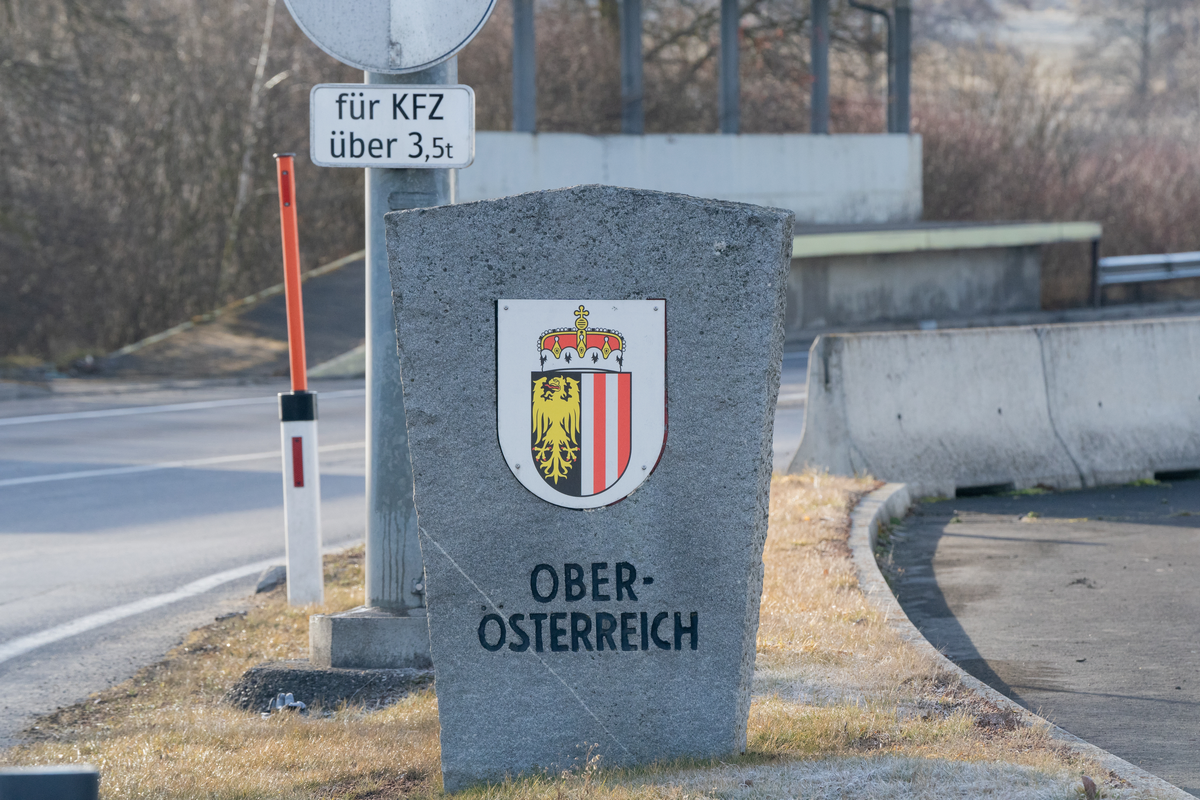
Czech Border Crossings from Poland
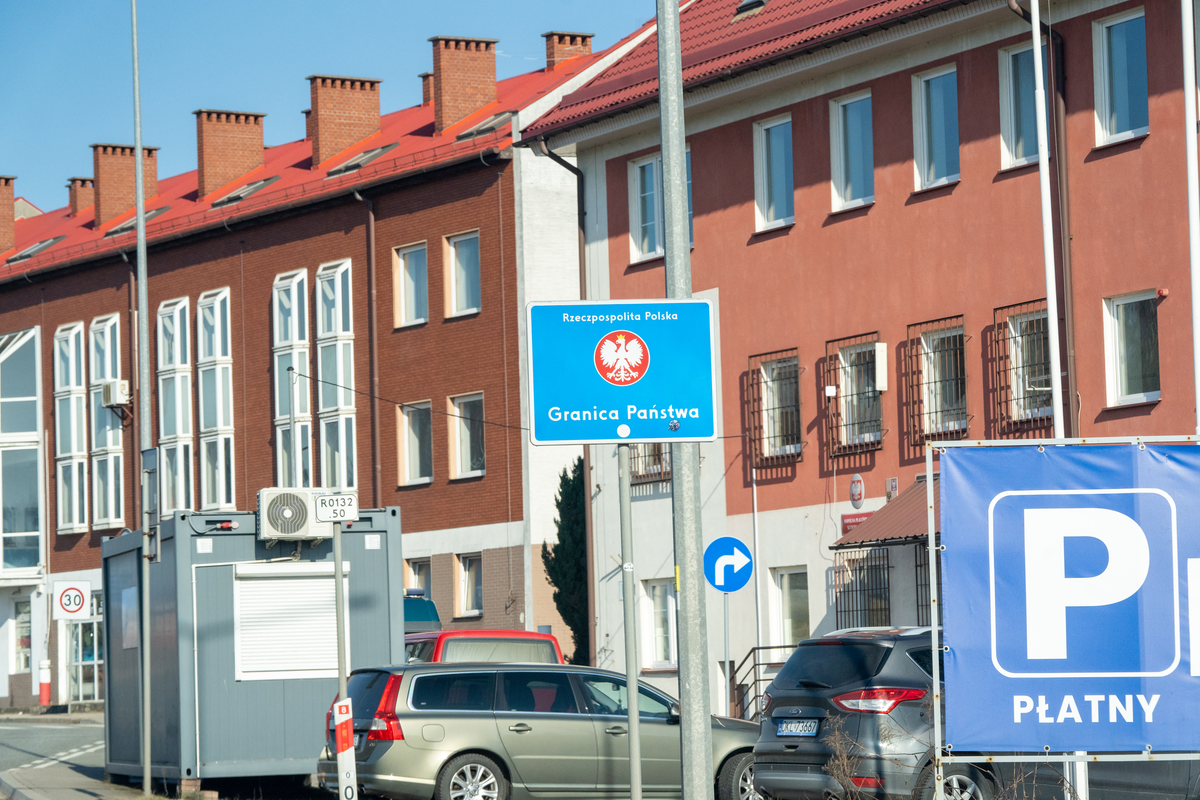
Crossings between Poland and the Czech Republic are key links for both passenger travel and freight, especially along the Silesian and northern Moravia corridors. The Chotěbuz–Cieszyn crossing handles most truck and passenger traffic from Poland toward Ostrava, and our team confirmed 24/7 operation as of 2025, making it the most important entry point in this section.
Major motorway international corridors (highest traffic)
| Crossing | Road | Type | Hours | Notes |
|---|---|---|---|---|
| Cieszyn → Chotěbuz | S52 (PL) → I/48 / D48 (CZ) | A-road | 24/7 | Main Silesian corridor; highest freight and passenger flow toward Ostrava |
Source: euro-glacensis.cz.
Regional crossings
| Crossing | Road | Type | Hours | Notes |
|---|---|---|---|---|
| Kudowa-Zdrój → Náchod | DK8 (PL) → I/33 (CZ) | Regional road | 24/7 | Key north-east Bohemia link |
Source: euro-glacensis.cz.
Local / mountain crossings
| Crossing | Road | Type | Hours | Notes |
|---|---|---|---|---|
| Jakuszyce → Harrachov | E65 → Local | Local | Limited / seasonal | Weather-dependent; verify before travel |
| Boboszów → Boboszów | Local | Local | Limited / variable | Low-traffic rural crossing |
| Cieszyn (town) → Český Těšín | Local | Local | 24/7 | Pedestrian and cycle priority crossing |
Source: euro-glacensis.cz.
Czech Border Crossings from Slovakia
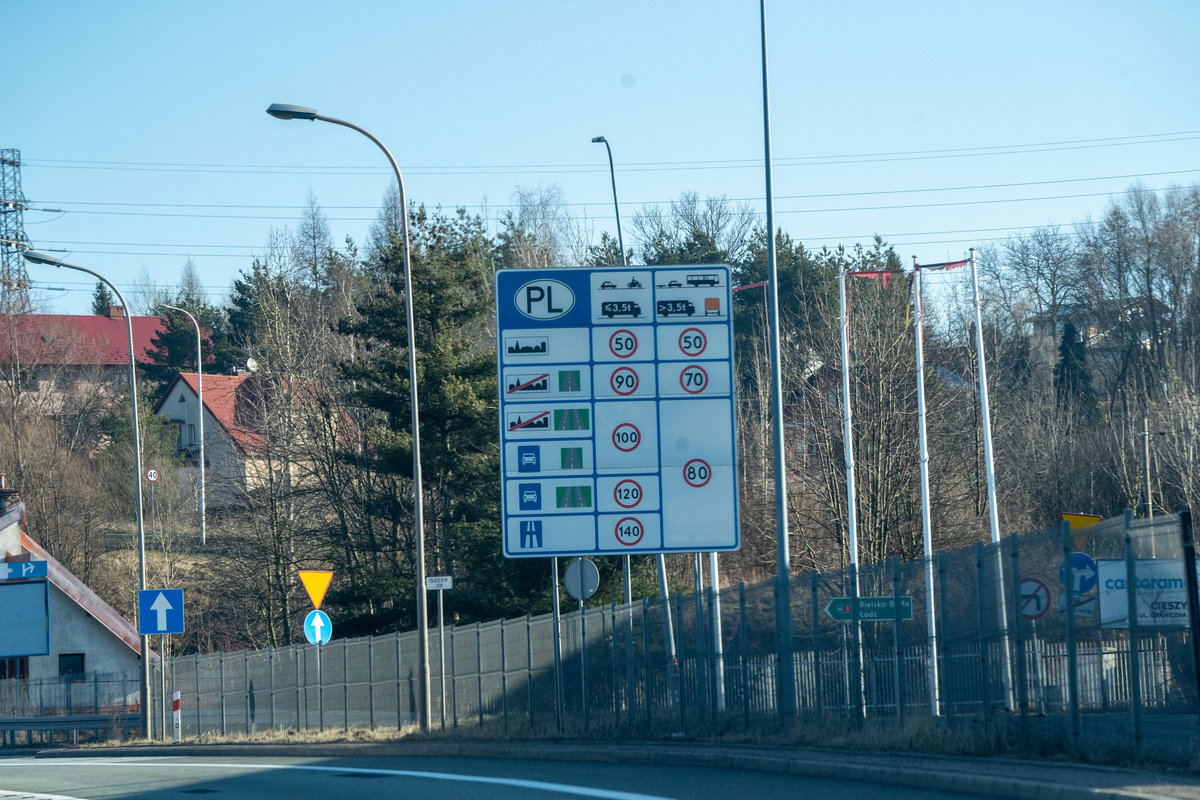
Crossing from Slovakia into the Czech Republic is a key link between Bratislava and South Moravia, especially along the Bratislava–Brno corridor. The Slovakia–Czech border includes motorway, regional and local road connections, with most traffic using a small number of main motorway and regional crossings.
The border operates under Schengen rules, so there are normally no routine passport checks and vehicles can pass without formal border control stops under standard conditions.
The main motorway crossing is Brodské (SK) – Lanžhot (CZ), where Slovakia’s D2 motorway continues into the Czech D2 motorway toward Brno. This route is part of the E-road network (E65) and the EU TEN-T corridor.
Major motorway international corridors (highest traffic)
| Crossing | Road | Type | Hours | Notes |
|---|---|---|---|---|
| Brodské → Lanžhot | D2 → D2 (E65) | Motorway corridor | Open under normal conditions | Main Bratislava–Brno freight and passenger corridor |
Source: ndsas + Czech road network ŘSD.
Regional crossings
| Crossing | Road | Type | Hours | Notes |
|---|---|---|---|---|
| Holíč → Hodonín | Regional road | Regional road | Open under normal conditions | South Moravia regional connection |
| Starý Hrozenkov → Drietoma | I/50 → I/9 | Regional road | Open under normal conditions | Key eastern Moravia corridor |
Source: ndsas + Czech road network ŘSD.
Local / mountain crossings
| Crossing | Road | Type | Hours | Notes |
|---|---|---|---|---|
| Lysá pod Makytou → Střelná | Local → I/49 | Local | Limited / seasonal | Weather-sensitive during winter conditions |
| Mosty u Jablunkova → Svrčinovec | Local / I/11 connection | Local | Open under normal conditions | Important Beskid mountain corridor |
Source: ndsas + Czech road network ŘSD.
Entry Requirements: What to Carry When Crossing into Czech Republic
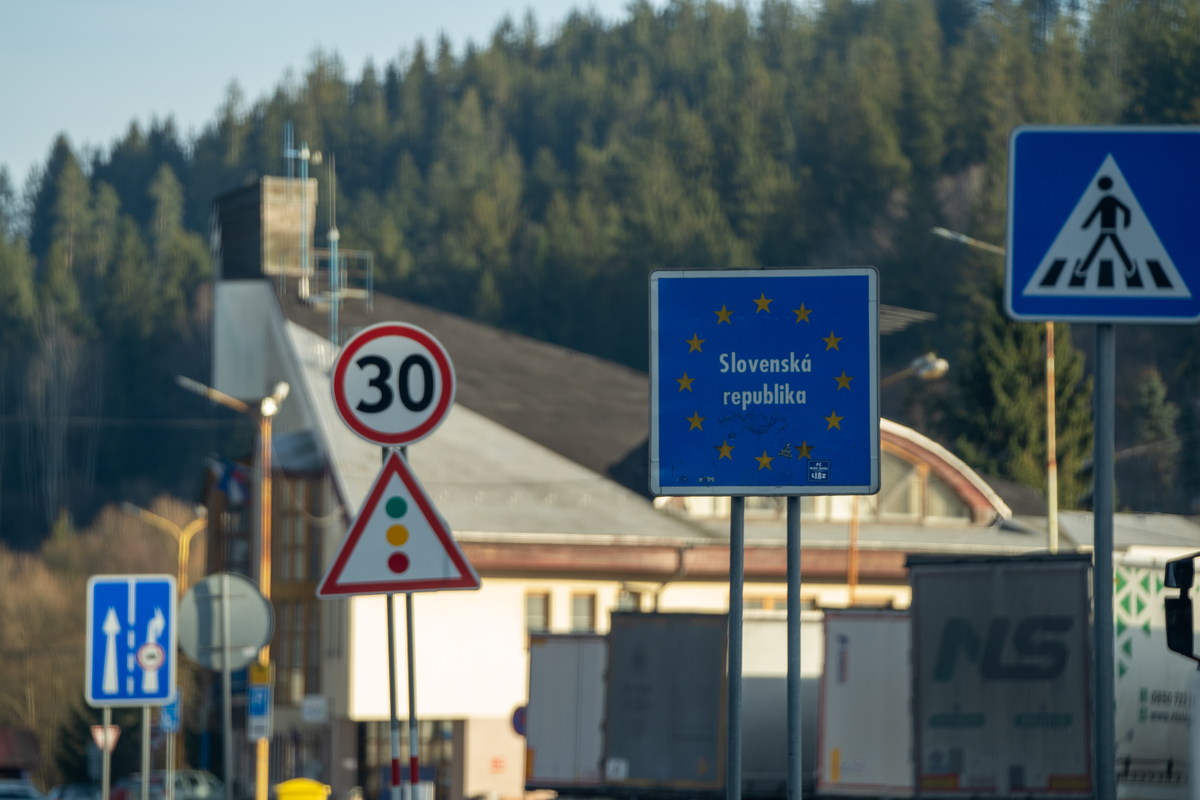
When crossing into the Czech Republic, you need to carry the correct documents and mandatory vehicle equipment. Requirements apply no matter which country you are entering from, and checks can be carried out at any time by Czech Police or roadside enforcement.
For EU/EEA citizens, a valid ID card or passport is sufficient for entry. Non-EU travellers must carry a valid passport and may require a visa depending on nationality and length of stay. In both cases, drivers must comply with Czech vehicle regulations as set out by Pravidla provozu and Czech Police guidance.
Mandatory items include:
- • A valid driving licence
- • Passport or national ID
- • Vehicle registration document (TP)
- • Third-party insurance (Green Card)
- • Reflective safety vest — must be kept in the passenger compartment, not in the boot
- • Warning triangle
- • First aid kit
- • Czech e-vignette if using motorways
The EU’s Entry/Exit System (EES) went live on 12 October 2025 and became fully operational on 10 April 2026, replacing passport stamps with a biometric record (facial image and fingerprints) for non-EU travellers. Important for drivers: EES applies only at the Schengen external border. Because Germany, Austria, Poland and Slovakia are all inside Schengen, EES does not apply when you cross into the Czech Republic from those countries and you will not be biometrically registered at these land borders. A separate system, ETIAS (a pre-travel authorisation for visa-exempt non-EU visitors), is expected to start later in 2026.
We keep a printed checklist in our vehicle when crossing Czech borders to ensure nothing is missed during spot checks, so we highly recommend doing the same before you travel.
Key Czech Traffic Rules for Incoming Foreign Drivers
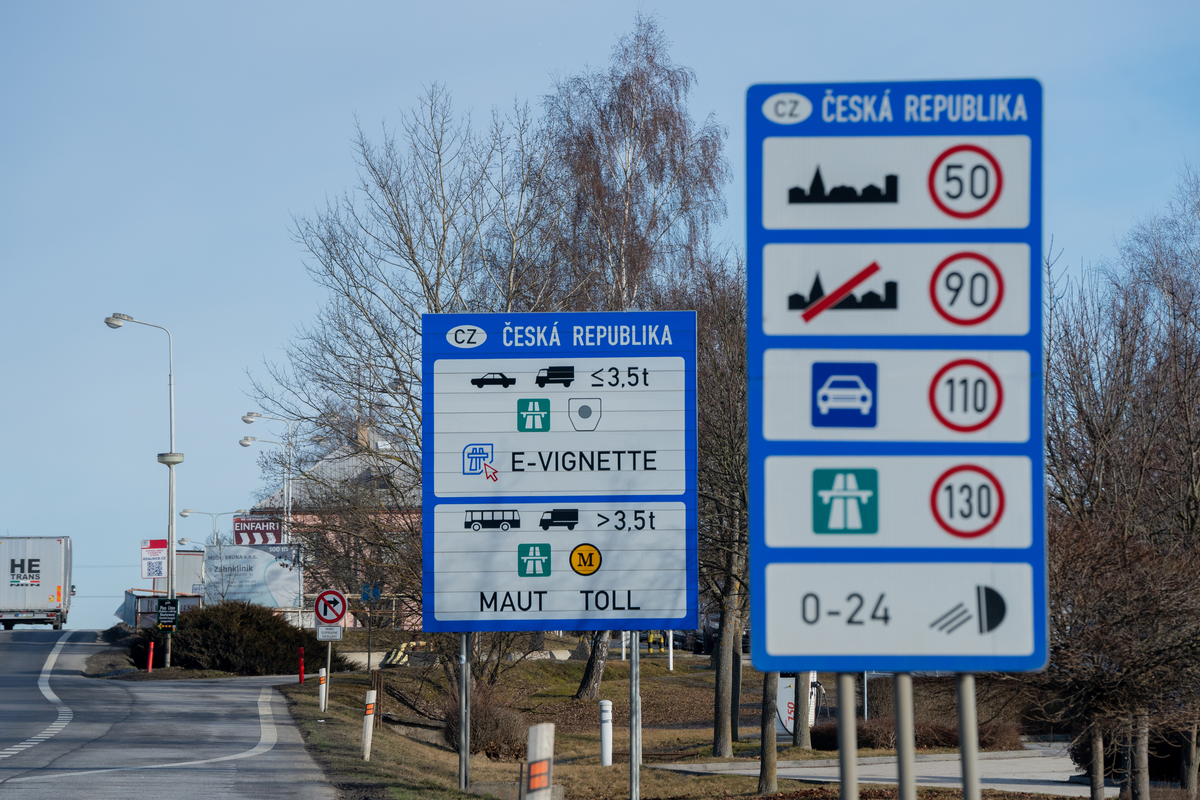
Key traffic rules in the Czech Republic apply to all drivers entering the country. The summary below highlights the most important regulations foreign drivers should be aware of in everyday driving situations, helping you stay compliant and avoid unnecessary fines or delays on the road.
- • Speed limits: 130 km/h motorways, 110 km/h expressways, 90 km/h rural roads, 50 km/h towns, 20 km/h residential areas
- • Headlights: daytime headlights must be on at all times when driving
- • Alcohol: zero tolerance for drivers; also applies to cyclists
- • Winter tyres: required 1 Nov–31 Mar when winter conditions apply (snow/ice risk)
- • Mobile phones: hands-free only while driving (holding a phone is an offence)
- • Seatbelts & child seats: mandatory for all passengers; child seats required up to 150 cm / 36 kg
- • Roadside stops: reflective vest must be worn when exiting the vehicle outside built-up areas or on motorways
- • Driving position: keep right except when overtaking on multi-lane roads
- • Roundabouts: no indicator on entry; signal right when exiting
- • Motorways: emergency/rescue lane must be formed in congestion
- • Fines: can be issued immediately on the spot; authorities may request a deposit or retain documents
Our team was stopped for a routine check on the D2 near Brno in 2024, where police verified insurance, registration and vignette compliance before allowing us to continue.
If your route from the border includes any Czech motorway, make sure your e-vignette is active before you cross. Discover how to buy a Czech vignette and purchase one in a few minutes through our platform as an authorised reseller of Czech vignettes. Check an existing vignette directly via our validity checker, which verifies the official edalnice.gov.cz database, to confirm validity before continuing your journey.
To avoid unnecessary penalties, see our guide to Czech toll fines. Take a look at current 2026 Czech vignette prices and explore Czech toll-free routes with our informative guide.
Written by Mattijs Wijnmalen, CEO of CzechVignette.cz, from first-hand driving across Czech border crossings (December 2025 and 25 February–1 March 2026). Photos by Ujjwal Verma. CzechVignette.cz is a third party vignette reseller and is not affiliated with the Czech toll authority (SFDI) or the edalnice.gov.cz official system. Border opening hours and control rules are subject to change — always verify current information against official sources before travel.
FAQ
What are the top 5 Czech Republic border crossings?
The top 5 Czech Republic border crossings include Rozvadov/Waidhaus (D5), Cínovec/Zinnwald (D8), Mikulov/Drasenhofen (I/52), Chotěbuz/Cieszyn (I/48–D48) and Náchod/Kudowa-Zdrój (I/33) — the main routes, all typically operating 24/7 under normal conditions.
Do I need a vignette when entering the Czech Republic from Germany?
A vignette is required once you drive onto Czech motorways (D-roads) or certain expressways.
Is the Czech border open?
Yes, main crossings with Germany, Austria, Poland and Slovakia operate 24/7. While Schengen rules apply, temporary border checks can be reintroduced, so it is worth checking current EU guidance before travel.
Do you need a passport to enter the Czech Republic by car?
EU/EEA citizens can enter with a passport or national ID card. Non-EU travellers need a valid passport and may require a Schengen visa depending on nationality.
What documents do I need to cross the Czech Republic border?
You should carry a driving licence, vehicle registration (TP) and valid third-party insurance (Green Card), plus a passport or national ID. A warning triangle, reflective vest and first aid kit are also required in the vehicle.
Where can I cross from Germany into the Czech Republic?
Rozvadov/Waidhaus (D5), Cínovec/Zinnwald (D8) and Folmava/Furth im Wald (I/26) are the main entry points from Germany into Czechia.
Where can I cross from Austria into the Czech Republic?
Mikulov/Drasenhofen (I/52), Znojmo/Kleinhaugsdorf (I/38) and Hatě/Laa an der Thaya (I/54) are the key crossings, typically operating 24/7 under normal conditions.
Where can I cross from Poland into the Czech Republic?
Chotěbuz/Cieszyn (I/48–D48), Náchod/Kudowa-Zdrój (I/33) and Harrachov/Jakuszyce (mountain route) are the main crossings, with some seasonal variation on the mountain route.
Does the Czech Republic have border checks and controls?
Normally there are no passport checks under Schengen rules, but temporary controls may be introduced by neighbouring countries such as Germany or Austria. Always check current EU guidance before travel.
Are Czech borders open 24/7?
Most major crossings operate 24/7, but smaller or mountain crossings may have limited or seasonal hours, so it is best to check specific routes in advance.
Is the Czech Republic in the Schengen zone?
Yes. The Czech Republic joined Schengen for road and rail on 21 December 2007, meaning no routine internal border checks under normal conditions, though temporary controls remain possible.
Written by: Mattijs Wijnmalen CEO and co-founder of CzechVignette.cz. Mattijs has over 10 years' experience in European road tolling. He researched and wrote this article following personal field trips in February and March 2026, driving the D1, D8/A17, and Prague–Dresden routes himself. All photography is by Ujjawal Verma, taken on the same trips.
Fact-checked by: Freek Jurg, COO and co-founder of CzechVignette.cz, with over 10 years' experience in European tolling operations.

Mattijs Wijnmalen
Lead travel authority and road expert