


Traveling to the Czech Republic by Motorhome in 2026: Complete Guide
Quick answer
The Czech Republic uses two separate toll systems for motorhomes and campervans, and which one applies to you depends entirely on your vehicle’s maximum permissible weight (MPW). You will find this figure in field F.2 of your registration certificate. If your motorhome’s MPW is 3.5 tonnes or under, you need a standard Czech e-vignette, the same as a passenger car. If it exceeds 3.5 tonnes, you need to register for the MYTO electronic distance toll and fit an on-board unit (OBU) before you enter any Czech toll road. This guide walks you through both, starting with the toll question, then covering what to pack, how fast you can drive, where you can legally stop overnight, and which destinations are worth planning your route around.
More than 161,000 new motorhomes were registered across Europe in 2025 alone, according to the European Caravan Federation and a growing number of those drivers are heading to the Czech Republic.
Whether you’re here to figure out the Czech motorway toll for your campervan or you’re planning a full motorhome road trip through Bohemia and Moravia, this guide covers both. Traveling to the Czech Republic by motorhome is straightforward once you know the rules, and the most important rule is this: the single factor that determines your toll obligation is the maximum permissible weight recorded on your registration certificate, nothing else.
Last summer we took a 3.2-tonne campervan through the Bohemian Switzerland area. The e-vignette handled every motorway stretch without issue, and we had no trouble finding well-equipped overnight stops close to the national park. Below, we cover the toll question first, then mandatory equipment, speed limits, camping rules, and the best destinations and seasons for motorhome travel in the Czech Republic.
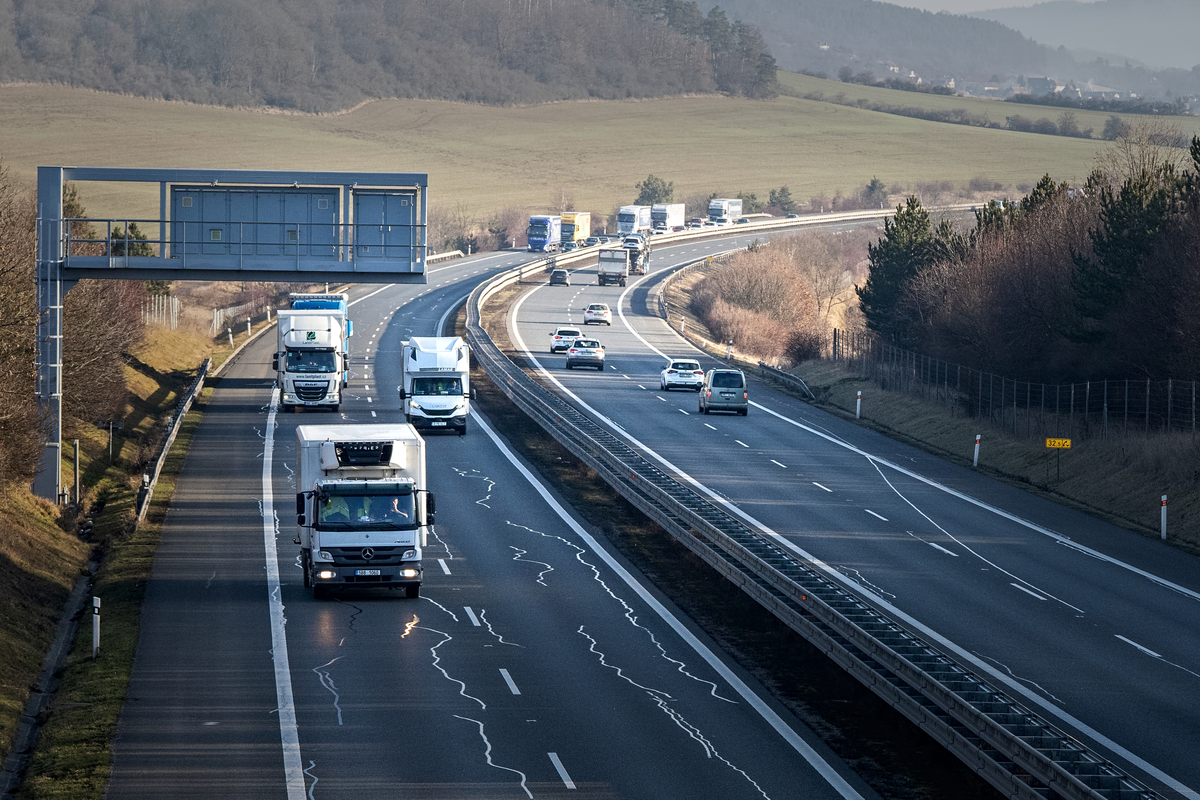
Czech Toll or Vignette: Which Does Your Motorhome Need?
The Czech motorway toll system for motorhomes works on a single dividing line: your vehicle’s maximum permissible weight (MPW). That figure is fixed, it does not change based on how much luggage you are carrying or whether you are towing, and it is the only number Czech enforcement systems look at.
Where to Find Your MPW
Open your vehicle registration certificate (also called the technical certificate) and look for field F.2, listed as největší přípustná hmotnost in Czech, or maximum permissible weight in English versions.
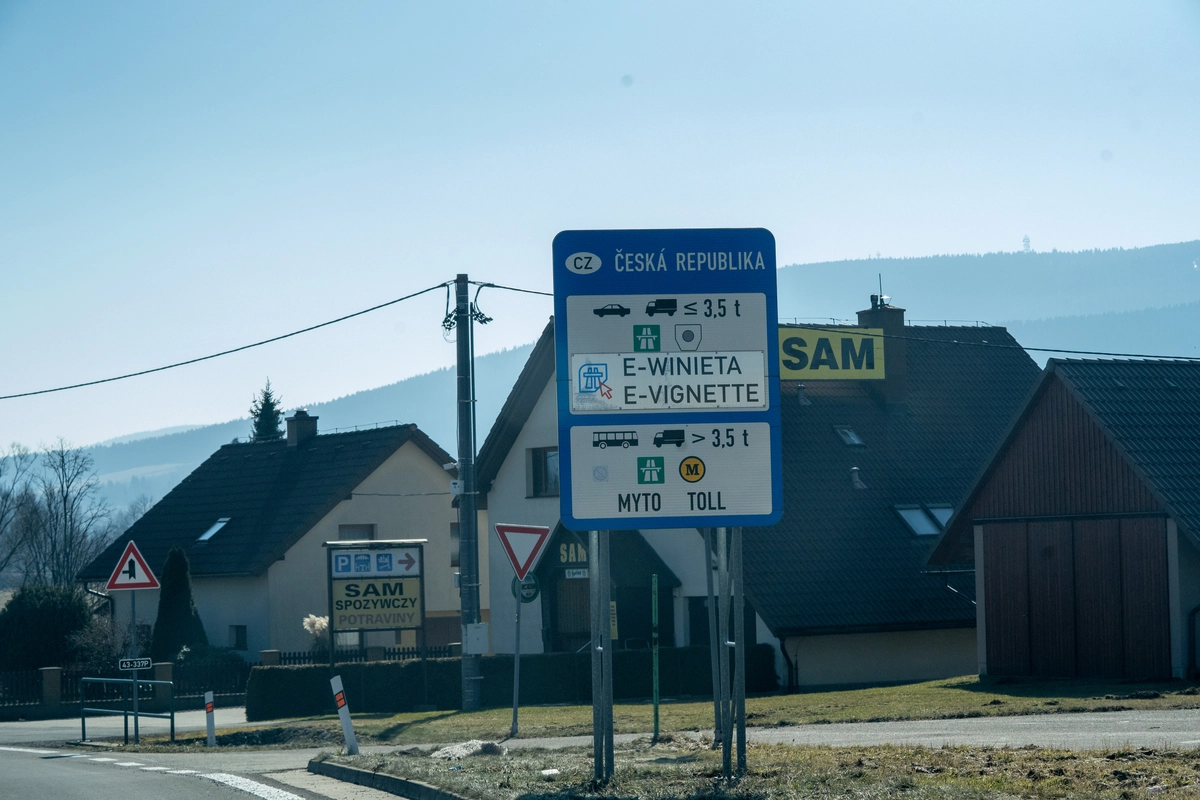
If Your Motorhome Is 3.5 Tonnes or Under
You need a standard Czech e-vignette, the same product used by passenger cars. It is available in four durations:
- 1-day vignette — CZK 230 (~€9.50)
- 10-day vignette — CZK 300 (~€12.40)
- 30-day vignette — CZK 480 (~€19.80)
- Annual vignette — CZK 2,570 (~€106)
Everything is handled electronically, once purchased, your registration plate is entered into the national database and that is all you need. There is no physical sticker and nothing to put on the windscreen. You can purchase it at the official portal edalnice.gov.cz or through an authorised third-party reseller such as czechvignette.cz. Note that czechvignette.cz is an independent authorised reseller, not the official Czech toll authority, a service fee applies. These are the official 2026 prices set by edalnice.gov.cz. A service fee applies when purchasing through czechvignette.cz. See full Czech vignette prices before you leave home.
Ready to buy? Purchase your 2026 Czech e-vignette at czechvignette.cz before you leave home.
Electric, hydrogen and gas-powered motorhomes: If your motorhome runs on CNG or biomethane, a 50% eco-discount applies to all vignette durations, select the CNG/biomethane category at checkout on edalnice.gov.cz. Fully electric or hydrogen motorhomes under 4.25 tonnes MPW are exempt from the vignette entirely, but exemption must be registered in advance at edalnice.gov.cz before you use any toll road. No registration, no exemption, the camera system will read your plate as unregistered. (Source: edalnice.gov.cz — eco tariffs)
If Your Motorhome Is Over 3.5 Tonnes
You need to register for the MYTO electronic distance toll system, a completely separate system from the e-vignette. Key points:
- Register before you cross: Complete your vehicle registration at myto.gov.cz before entering Czech Republic, you cannot do this at the border
- Collect your OBU: The on-board unit is a small device that mounts in the cab and tracks your distance automatically, the toll is then calculated per kilometre based on your axle count and emissions rating
- Select the right vehicle type: Motorhomes and campervans in this weight category register as trucks in the MYTO system, not as buses, selecting the wrong category during registration will cause problems at enforcement gantries. (Source: myto.gov.cz: vehicle registration)
Important: Buying an e-vignette does not fulfil your MYTO obligation. These are two entirely separate legal frameworks, one does not cover the obligation of the other. Gantries across the network read OBU signals automatically, and patrol vehicles do the same. If your unit is not registered and active, the system will know.
A Note on Towing
If you are towing a caravan or trailer, the toll category is still determined by your towing vehicle’s own MPW (field F.2 of its registration certificate), not the combined weight of the full combination. This is confirmed on the official Czech government portal (gov.cz), but we always recommend double-checking your specific vehicle configuration directly at myto.gov.cz before you set off, since toll rules carry real legal and financial consequences if you get them wrong.
Motorhome and Campervan Toll Split: At a Glance
| Vehicle type | Maximum permissible weight | Toll required | Where to buy / register |
|---|---|---|---|
| Campervan / small motorhome | ≤ 3.5t | Czech e-vignette | edalnice.gov.cz or authorised reseller |
| Large motorhome | > 3.5t | MYTO distance toll + OBU | myto.gov.cz |
| Car + caravan | ≤ 3.5t (towing vehicle’s own MPW) | Czech e-vignette | edalnice.gov.cz or authorised reseller |
| Car + caravan | > 3.5t (towing vehicle’s own MPW) | MYTO distance toll + OBU | myto.gov.cz |
| Motorhome + towed vehicle | Check field F.2 on reg. cert. | Depends on motorhome’s own MPW | Verify at myto.gov.cz before travel |
Mandatory Equipment and Documents for Motorhome Drivers in Czech Republic
Czech police carry out roadside document and equipment checks regularly, including on major motorway corridors. During a check on the D2 in 2025, an officer asked for documentation for both the motorhome and the towed bike carrier, having everything to hand in the cab saved a significant amount of time.
For a broader overview of Czech driving rules, see our Driving in the Czech Republic guide.
Documents: What Every Driver Must Carry
All of the following should be within easy reach in the cab, not in a rear locker or under-floor storage compartment:
- Valid driving licence
- Vehicle registration certificate (technical certificate), required for the motorhome and, if applicable, for any towed trailer or caravan separately
- Third-party liability insurance, Green Card or EU equivalent
- Passport or national ID card, EU/EEA citizens can travel on a national ID card; a passport is recommended for non-EU drivers
- Proof of your toll compliance, either your e-vignette confirmation email or your MYTO registration document
Safety Equipment: Mandatory Items
The following must be present in the vehicle at all times when driving in Czech Republic, as required under the Czech Road Act (Act No. 361/2000 Coll.):
- Warning triangle: a minimum of one is required; two are recommended for larger motorhomes
- Reflective safety vest: this must be stored inside the passenger compartment, within reach of the driver’s seat. An external locker, under-floor storage or a rear garage does not meet the legal requirement
- First aid kit: must be present and in usable condition
Safety Equipment: Strongly Recommended but Not Legally Mandatory
- Fire extinguisher: legally required only for N-category vehicles (trucks and HGVs). For motorhomes classified as M-category, it is not a legal obligation, but it is strongly recommended, particularly during summer travel when engine temperatures are higher. A 6kg dry powder or CO₂ extinguisher is a sensible minimum for a vehicle of this size.
- Spare headlight bulbs: Carrying a replacement set of headlight bulbs is strongly recommended. Czech police can issue an advisory during a roadside check if a bulb is out, and replacement sets are inexpensive and compact enough to store in the cab.
A Note on Winter Tyres
Key details to know:
- When they apply: Between 1 November and 31 March, whenever snow, ice or frost is present on the road, or when conditions make it reasonable to expect them. A clear dry day in November does not trigger the obligation
- Tread depth: Minimum 4mm for vehicles up to 3.5t MPW; minimum 6mm for motorhomes over 3.5t
- Studded tyres: Banned entirely in Czech Republic, including on foreign-registered vehicles
Speed Limits for Motorhomes in Czech Republic
Speed limits in the Czech Republic are not one-size-fits-all for motorhome drivers. The limit that applies to you depends on your vehicle’s maximum permissible weight and whether you are towing, two factors that many drivers do not check before they cross the border.
Vehicles Up to 3.5 Tonnes (Campervans and Light Motorhomes)
If your motorhome’s MPW is 3.5 tonnes or under, the same limits apply as for passenger cars:
- Motorway (dálnice): 130 km/h
- Expressway (rychlostní silnice): 110 km/h
- Outside towns: 90 km/h
- In towns: 50 km/h
One road worth knowing about: since October 2025, a 50km section of the D3 between Tábor and České Budějovice has been trialling variable speed limits of up to 150 km/h, the first such pilot in the EU (Source: ŘSD — rsd.cz). If you are in a sub-3.5t campervan without a trailer this may apply to you, but it does not change anything for heavier motorhomes or any vehicle that is towing.
Vehicles Over 3.5 Tonnes (Heavy Motorhomes)
Heavy motorhomes face a uniform 80 km/h limit across all road types outside towns:
- Motorway and expressway: 80 km/h
- Outside towns: 80 km/h
- In towns: 50 km/h
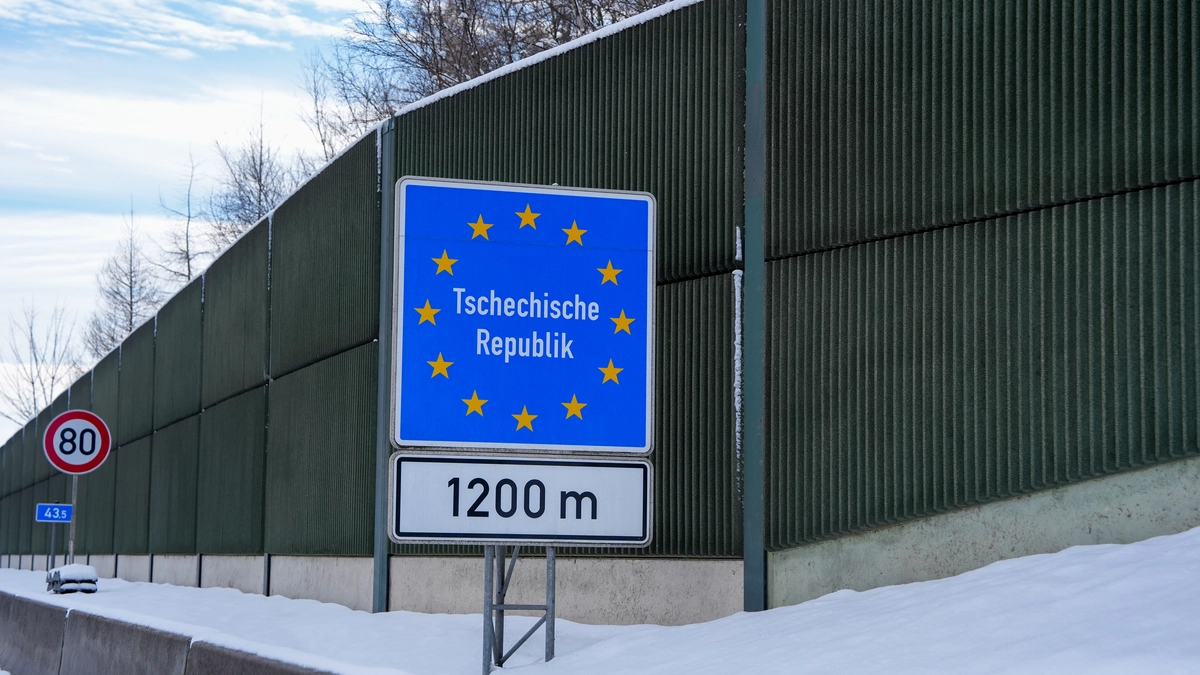
If You Are Towing
Towing a caravan, a trailer or a bike carrier changes the rules regardless of your motorhome’s weight category. As soon as you are towing, an 80 km/h maximum applies on all road types: motorway, expressway and open road alike. This catches many drivers out, particularly those in lighter campervans who are used to the 130 km/h motorway limit.
Additional Rules That Apply to All Drivers
- Zero alcohol tolerance (0.0‰): Czech law applies a strict zero-tolerance policy with no exceptions for any driver
- Daytime running lights are required at all times when driving in Czech Republic, regardless of the weather, season or time of day
- Snow chains are only compulsory where a road sign specifically requires them, you will not need them across the network generally, but carrying a set is sensible on mountain routes in winter
Source: besip.cz; Czech Road Act (Act No. 361/2000 Coll.)
For a full breakdown of on-the-spot fines and enforcement, see our Czech traffic fines guide.
Speed Limits Summary Table
| Vehicle type | Motorway | Expressway | Outside towns | In towns |
|---|---|---|---|---|
| Campervan / motorhome ≤ 3.5t | 130 km/h | 110 km/h | 90 km/h | 50 km/h |
| Motorhome > 3.5t | 80 km/h | 80 km/h | 80 km/h | 50 km/h |
| Any vehicle towing a trailer | 80 km/h | 80 km/h | 80 km/h | 50 km/h |
Camping, Wild Camping, Parking and Services for Motorhomes in Czech Republic
The Czech Republic is one of the better-served countries in central Europe for motorhome travellers. The campsite network is solid, the number of dedicated motorhome service stops has grown noticeably in recent years, and the main driving routes pass through some genuinely good overnight stop territory. That said, the rules around wild camping and overnight parking are frequently misunderstood, and getting them wrong in a national park area can result in a fine.
Campsites (Kempy)
Czech campsites are the most reliable overnight option for motorhome drivers at any experience level. Most accept motorhomes without restriction, and facilities vary considerably depending on the site:
- Basic sites offer fresh water, waste disposal and toilet blocks
- Mid-range sites add electric hook-up points, typically CEE 7/4 Schuko sockets, the standard central European connector
- Full-service sites include hook-up, Wi-Fi, shower blocks, laundry and sometimes a restaurant on site
Most Czech campsites operate seasonally from April to October. A smaller number stay open year-round, mainly around larger towns. In peak season, June through August, popular areas including Bohemian Switzerland, Český Krumlov and the Krkonoše region fill up fast. Booking ahead is strongly advised rather than arriving and hoping for a pitch.
Motorhome Aires and Service Areas (Stellplätze)
A growing network of dedicated motorhome parking areas has developed across the Czech Republic in recent years, particularly near popular tourist destinations. These aires typically offer:
- Fresh water fill points
- Grey and black water disposal
- Electric hook-up
- Defined pitch spaces sized for larger vehicles
Named locations we have visited include the motorhome aire in Český Krumlov, which sits within easy reach of the UNESCO old town, and service points along the Prague ring road area for drivers using the capital as a base or transit point. Availability at well-located aires fills quickly in peak season, see the field observation below.
Field observation: Český Krumlov motorhome aire, July 2025: The aire had approximately 15 dedicated motorhome spaces, a working service column with fresh water inlet and grey water disposal, and CEE 7/4 electric hook-up points. Waste disposal was included with the pitch fee. By 5pm on a Saturday in July the site was full, if you are visiting in peak season, aim to arrive by midday at the latest. We asked the warden about length restrictions, anything up to 7.5 metres is fine, which covers most motorhomes on the market.
For electric motorhome drivers, CCS fast chargers are available at most major Czech motorway service areas, including OMV, Shell and EuroOil locations — useful to note before planning overnight stops on longer legs.
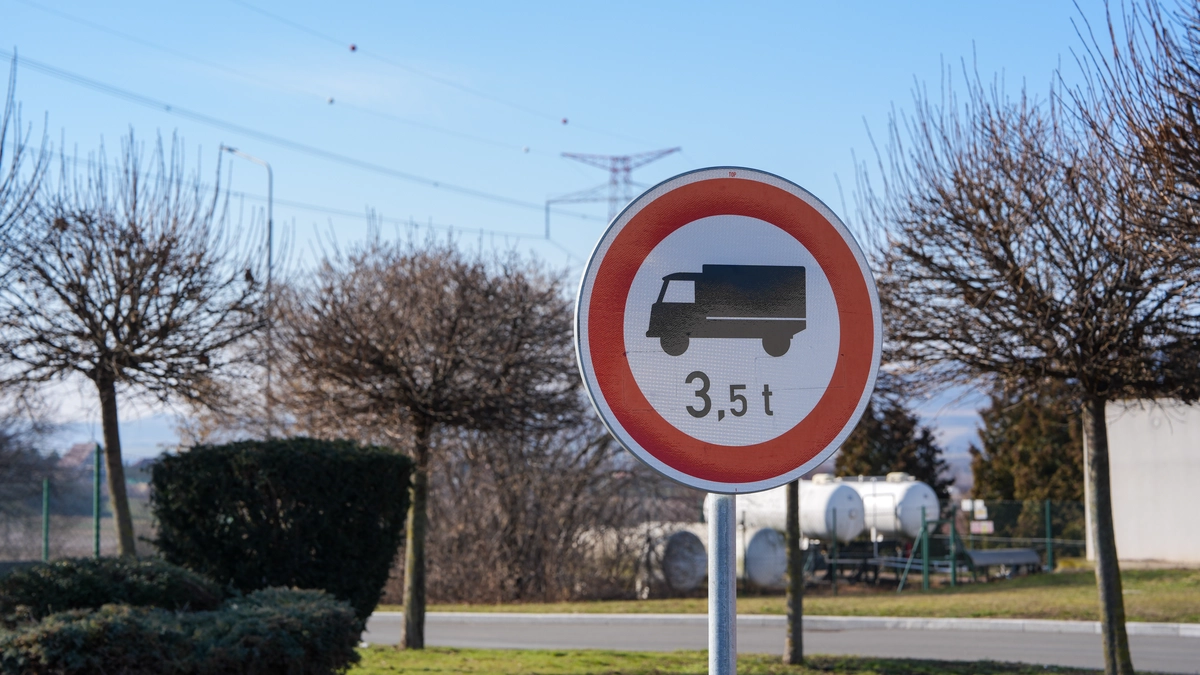
Wild Camping: What the Rules Actually Say
Czech law draws a clear distinction between camping and sleeping in your vehicle, but the rules are stricter than many drivers expect.
What will get you fined:
- Pitching a tent on public or private land without landowner permission
- Deploying an awning, setting up chairs, tables or a cooking area outside the vehicle
- Overnight camping outside designated sites in any national park
This is regulated by the Nature and Landscape Protection Act (Act No. 114/1992 Coll.) and applies across the Czech Republic. National parks carry the strictest enforcement:
- Bohemian Switzerland has a specific law banning all forms of bivouacking across the entire park territory, there are no grey areas here
- Krkonoše and Šumava prohibit overnight stays outside designated shelters and campsites within their first-zone protected areas. (Source: Správa Krkonošského národního parku / Správa NP Šumava)
The grey area: sleeping in your vehicle
Sleeping overnight inside your vehicle, with no external setup deployed, is not classified as camping under Czech law. In a lay-by or public car park, this is generally tolerated provided you leave no trace and comply with local traffic rules. However, many tourist municipalities have introduced specific overnight motorhome parking bans. The rules vary by town and are not always signposted clearly in advance.
The practical bottom line: The practical advice is simple: book a campsite or aire before you travel, especially if your route passes through any national park area. A lay-by in Bohemian Switzerland is not an overnight option.
Parking and Overnight Stopping in Towns
Urban overnight parking for motorhomes follows local municipality rules, which vary significantly. Some towns are welcoming; others have introduced blanket overnight bans specifically targeting motorhomes. Before pulling into any town square or car park for the night, check local signage carefully.
Three apps worth having on your phone before you travel:
- Park4Night: crowd-sourced overnight spots, reviews and current availability
- Campercontact: dedicated motorhome aires and service points across Europe
- Mapy.cz: the most detailed Czech mapping app, essential for rural navigation and locating designated overnight sites within national parks
Best Time to Visit and Recommended Destinations for Motorhome Travel
The Czech Republic works well for motorhome travel across most of the year. In our experience, the month you travel makes more practical difference than any other single decision, it affects pitch availability, road congestion and what you will pay for a campsite.
If you are planning a first Czech motorhome trip and want a logical route rather than a destination list, the corridor below works well for most drivers entering from the south or east. It connects the four destinations covered in this section and keeps motorway distance reasonable for a vehicle with an 80 km/h limit.
| Leg | Route | Distance | Road | Notes |
|---|---|---|---|---|
| Entry → Brno | Slovak/Austrian border via D2 | ~60–80 km | D2 | Natural first night; good aire options near Mikulov |
| Brno → Český Krumlov | Via D1/R3 | ~220 km | D1 then R3 | Longest leg — plan an early start if over 3.5t |
| Český Krumlov → Bohemian Switzerland | Via R3/D3/D8 | ~200 km | R3 then D8 | D3 variable 150 km/h section applies to sub-3.5t campervans without a trailer |
| Bohemian Switzerland → exit | D8 toward Dresden or Prague | ~80 km | D8 | Saxon border crossing at Hřensko straightforward |
All legs are covered by a single e-vignette if your motorhome is under 3.5 tonnes. MYTO drivers should verify charges per leg at myto.gov.cz before departure.
When to Go
April, May, September and October are the sweet spot for motorhome travel in the Czech Republic, the campsites are open, the roads are quieter than in summer, and you will not be competing for a pitch at the Český Krumlov aire with half of Germany. June through August is peak season: everything is open and the weather is reliable, but the most popular destinations fill up fast and the D1 and D5 corridors get busy. If you are travelling between November and March, most campsites are closed and winter tyre rules apply whenever there is snow, ice or frost on the road, manageable with the right preparation, but not the window we would recommend for a first Czech motorhome trip.
Four Destinations Worth Planning Around
1. Bohemian Switzerland National Park (Hřensko area)
The sandstone rock formations here are unlike anything else in central Europe, and the Pravčická brána, widely cited as the largest natural sandstone arch in Europe (Správa NP České Švýcarsko), is worth the trip on its own. Campsites are available near the Saxon border, and the D8/Cínovec crossing makes it straightforward to combine with a trip into Germany. In peak season the aire fills early, arrive before midday or have a campsite booked as a backup. Keep in mind that Bohemian Switzerland has the strictest wild camping rules in the country.
2. Český Krumlov
The UNESCO-listed old town is one of the most visited sites in the Czech Republic for good reason, and it is accessible and motorhome-friendly if you plan your arrival. The dedicated aire near the town centre is convenient and well-serviced, but fills fast from July onwards, as noted in our field observation above, a Saturday afternoon arrival in peak season will leave you without a pitch. April, May and September are when it is at its best for motorhome visitors.
3. Šumava (Bohemian Forest)
Šumava is the right choice if you want quiet roads, well-spaced campsites and a destination that does not feel overrun. The cycling infrastructure is good, the villages are unhurried, and the national park’s designated overnight shelters and campsites are well maintained. Avoid peak summer weekends if you can, Šumava gets busy with Czech domestic tourists in July and August, but as a shoulder-season destination it is close to ideal.
4. South Moravia: Brno and the Wine Region
South Moravia sees far less motorhome traffic than west Bohemia, which makes it a good choice for drivers who find the D5 corridor congested. It is a natural stopover on the Austria route via the D2, and it works well as a base for exploring Mikulov and the Lednice-Valtice palace complex. The wine country around Mikulov is genuinely worth a night or two, and campsites in the region are quieter and easier to book even in summer. If Prague is on your route, Camping Trojská on the Vltava riverbank is the most established motorhome-accessible option close to the city centre, reachable via the D8/R10 without entering central Prague.
If your motorhome or campervan is under 3.5 tonnes, you need a Czech e-vignette before you use any motorway section, you can buy it online at czechvignette.cz before you leave home. Please note that czechvignette.cz is an independent authorised reseller, not the official Czech toll authority (edalnice.gov.cz), a service fee applies. If your motorhome is over 3.5 tonnes, head to myto.gov.cz to register for the MYTO distance toll and arrange your OBU before travel.
Already purchased a vignette? Check it is registered and active before you travel at czechvignette.cz validity check.